Adhesion Primers & Promoters

Adhesion Primers & Promoters

Adhesion Promoters and Adhesion Primers improve adhesion between substrates and coatings or adhesives by creating an interface for additional covalent bonds. This increases adhesion and the bond between the substrate and the coating or adhesive: improving the performance of the coating or adhesive.

One of the most common applications for adhesion promoters is to enhance the adhesion strength and performance of die attach between the die, the die attach, and the substate or copper lead-frame. Adhesion Promoters can be used for copper foil applications for the adhesion of low dielectric resins to copper for printed circuit boards and chip scale packaging. By pretreating the intended copper surface with an adhesion promoter significantly higher peel strengths can be obtained.  Aculon has demonstrated superior performance to silane adhesion promoters in terms of peel strength on smooth copper (600 hours in autoclave).

Different adhesion promoters have different base chemistries but all of them work on a molecular level. For example Aculons Primers contain self- assembled monolayers of phosphonates (SAMPs) which improve the adhesion of metals to polymeric coatings. They do this by using reactive groups to create strong bonds with coatings that contain functional groups such as epoxies, polyurethanes, acrylates, and oxide particles.

Examples of the Adhesion Promoters with different base chemistries can be seen in Aculon’s range of adhesion promoters and primers. Thiol based primers promote adhesion between substrates and epoxy (meth)acyrlics. Acrylate primers promote adhesion between substrates and (meth)acrylates, amines, and thiol based coatings. Hydroxyls primers promote adhesion between substrates and polyurethanes, iso-cyanates, melamine formaldehydes, phenolic epoxy based coatings.

76 products

  • 3M 08681

    3M 08681

    • No-Activator One-Part Primer
    • Ten-Minute Drying Time
    • Multi-Interface Auto Glass Priming
  • 3M 08682

    3M 08682

    • Automotive Urethane Adhesion Primer
    • Fast-Drying No-Activator Processing
    • UV-Blocking Corrosion-Protection Primer
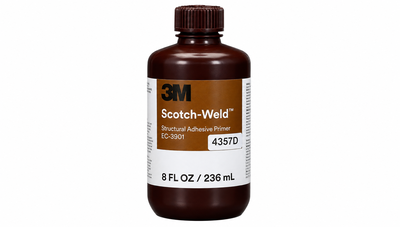
  • 3M EC-3901

    3M EC-3901

    • Metal And Glass Surface Priming
    • Improved Metal Corrosion Protection
    • Clean Surface Oxidation Protection
  • 3M EC-3924

    3M EC-3924

    • Bondline Corrosion Protection
    • Spray Brush or Roller Application
    • Controlled Film and Bake Process
  • 3M™ Adhesion Promoter 111

    3M™ Adhesion Promoter 111

    • Higher bond strength.
    • Isopropyl alcohol based solvent system
    • Non-offensive odor
  • 3M™ Scotch-Weld™ Structural Adhesives Primer EW-5000

    3M™ Scotch-Weld™ Structural Adhesives Primer EW-5000

    • Water Based Epoxy Primer
    • Spray Surface Preparation Application
    • 0.18 to 0.28 MIL Thickness
  • 3M™ Tape Primer 94

    3M™ Tape Primer 94

    • Enhances adhesion of 3M tapes
    • Ideal for low surface energy materials
    • Improves bond strength, consistency, and long-term durability
  • 3M™ VHB™ Surface Cleaner

    3M™ VHB™ Surface Cleaner

    • Effective degreasing formulation
    • For preparation of surfaces for bonding
    • Composed of 90% isopropyl alcohol and 10% distilled water
  • ABchimie ABclean Cleaning & Defluxing Solvent

    ABchimie ABclean Cleaning & Defluxing Solvent

    • Fast‑drying, non‑toxic cleaning solvent
    • Leaves no greasy or sticky residues after evaporation
    • High compatibility with a wide range of plastic materials
  • ABchimie ABMousse Hyperactive Foam

    ABchimie ABMousse Hyperactive Foam

    • Suitable for plastics, metals, and glass
    • CFC‑free formulation
    • Effectively removes static charges
  • ABchimie CIPEX40 Aqueous Base for PCB Cleaners

    ABchimie CIPEX40 Aqueous Base for PCB Cleaners

    • Ready‑to‑use aqueous formulation
    • Low‑foaming chemistry
    • High cleaning efficiency
  • ABchimie CIPEX50 Aqueous Base for PCB Cleaners

    ABchimie CIPEX50 Aqueous Base for PCB Cleaners

    • Highly concentrated aqueous cleaning formulation
    • Low‑foaming formula
    • High cleaning efficiency
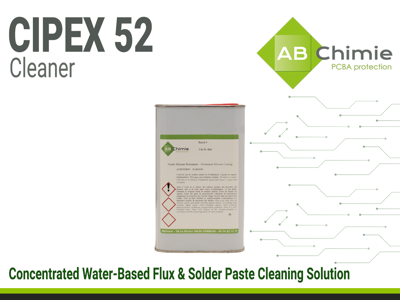
  • ABchimie Cipex52 Water-Based PCB cleaner

    ABchimie Cipex52 Water-Based PCB cleaner

    • Low‑foaming formula
    • Strong material compatibility with plastics and metals
    • Adjustable concentration
  • ABchimie DET Cleaning and Defluxing Solvent

    ABchimie DET Cleaning and Defluxing Solvent

    • Allows easy peeling without scratching surfaces
    • 100% ozone-friendly, non-halogenated formula
    • Available in aerosol and bulk packaging
  • ABchimie DRP10-2 Silicone Residue Cleaner

    ABchimie DRP10-2 Silicone Residue Cleaner

    • Powerful solvent action for rapid cleaning
    • Removes grease, flux, silicone residues, and general dirt
    • Low toxicity compared to conventional halogenated solvents
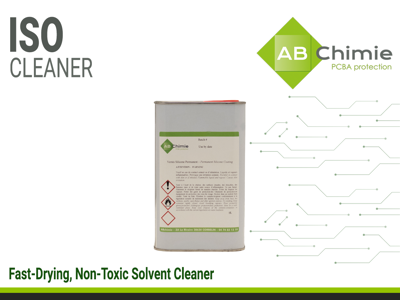
  • ABchimie ISO Cleaner

    ABchimie ISO Cleaner

    • Fast-drying, non-toxic solvent formulation
    • Excellent compatibility with plastics and elastomers
    • Efficiently removes greases, oils, and flux residues from PCBs
  • ABchimie MADEX 250 Cured Coating Cleaner

    ABchimie MADEX 250 Cured Coating Cleaner

    • Highly effective at removing uncured and cured conformal coatings
    • Suitable for cleaning metal and plastic tools, equipment, and frames
    • Concentrated formula
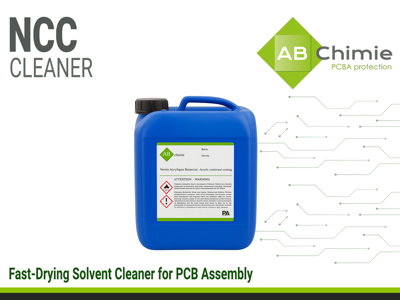
  • ABchimie NCC Cleaner

    ABchimie NCC Cleaner

    • Fast-drying solvent system
    • Compatible with most plastics and surface coatings
    • Removes solder paste and uncured adhesives effectively
  • ABchimie NCE Fast-Drying Solvent

    ABchimie NCE Fast-Drying Solvent

    • Leaves surfaces perfectly clean and dry
    • Fast-drying solvent for efficient cleaning
    • Harmless to most plastics, rubbers, elastomers, and coatings
  • ABchimie NDD Cleaner, Degreaser & Flux Remover

    ABchimie NDD Cleaner, Degreaser & Flux Remover

    • Fast-drying
    • 100% ozone-friendly
    • Broad material compatibility
  • Surface Energy Enhancer Wipe

    Balance Weight Adhesion Promoter

    • Increases adhesion to the wheel surface
    • Provide increased safety and reliability
    • Already succesfully used on Alcoa DuraBright wheels
  • BONDERITE C-AD-ETCH

    BONDERITE C-AD-ETCH

    • Smooth Aluminum Etching for Anodizing
    • Adjustable Etch-Factor Additive Concentration
    • Concentrated Sodium-Hydroxide Etchant Additive
  • BONDERITE M-CR 1132 AERO TOUCH-N-PREP PEN

    BONDERITE M-CR 1132 AERO TOUCH-N-PREP PEN

    • Ready-to-Use Touch-N-Prep Pen
    • No-Rinse Dry-in-Place Processing
    • Modifiable Felt-Tip Applicator
  • BONDERITE M-CR 1200S

    BONDERITE M-CR 1200S

    • MIL-DTL-5541 Qualified Aluminum Coating
    • Immersion, Spray, or Brush Application Flexibility
    • Wide-Range Bath Operating Window
  • BONDERITE M-CR 1201

    BONDERITE M-CR 1201

    • MIL-DTL-81706 Brush-Application Approval
    • Ready-to-Use Without Titration or Adjustment
    • Integral Gold-to-Tan Aluminum Coating
  • BONDERITE M-CR 1500

    BONDERITE M-CR 1500

    • Transparent Chromate Conversion Coating
    • Immersion, Spray, or Brush Application
    • Documented MIL-DTL-81706/MIL-DTL-5541 Qualification
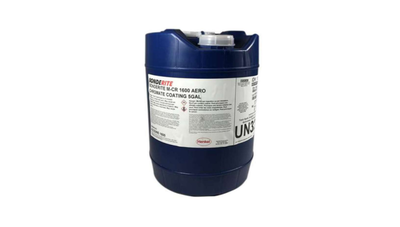
  • BONDERITE M-CR 1600

    BONDERITE M-CR 1600

    • Hexavalent Chromate Conversion Coating
    • Immersion or Spray Processing
    • MIL-DTL-81706A/BAC 5719 Approval
  • BONDERITE M-CR 600

    BONDERITE M-CR 600

    • Ready-to-Use Chromate Conversion Coating
    • Aluminum Corrosion Protection and Paint Adhesion
    • QPL-81706 Aerospace Qualification
  • BONDERITE M-CR 871

    BONDERITE M-CR 871

    • One-Part Dry-in-Place Conversion Coating
    • Corrosion Protection and Paint Adhesion
    • Touch-N-Prep Aerospace Repair Application
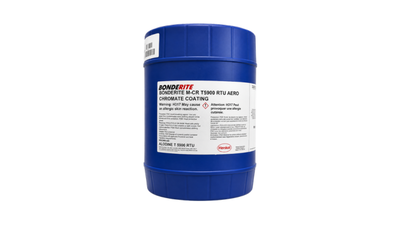
  • BONDERITE M-CR-T5900

    BONDERITE M-CR-T5900

    • Trivalent-Chromium Corrosion-Resistant Conversion Coating
    • MIL-DTL-81706/5541 Type II Qualification
    • Immersion or Pressure-Spray Processing
  • BONDERITE M-NT 5200

    BONDERITE M-NT 5200

    • Chrome-Free Nano-Ceramic Multi-Metal Pretreatment
    • Paint-Adhesion and Corrosion-Resistance Improvement
    • Phosphate-Free Spray-Line Pretreatment
  • BONDERITE M-NT 5700

    BONDERITE M-NT 5700

    • Chromium-Free Ready-to-Use Aluminum Pretreatment
    • Corrosion-Resistant Paint-Adhesion Conversion Layer
    • Controlled Temperature-pH-Time Processing
  • BONDERITE M-PT 99X

    BONDERITE M-PT 99X

    • Chromium/Phosphate-Free Reactive Resin Post-Treatment
    • Painted Steel/Zinc/Aluminum Corrosion Resistance
    • Ambient Spray or Immersion Application
  • BONDERITE M-ZN 880

    BONDERITE M-ZN 880

    • Adhesion-Promoting Surface Treatment
    • Multi-Metal Spray/Immersion Pretreatment
    • Pre-Phosphate Corrosion-Resistance Improvement
  • BOSTIK 9252

    BOSTIK 9252

    • Compatible Bostik Adhesive-System Priming
    • Aerospace-Specification Metal Priming
    • Brush-Applied Liquid Primer Format
  • BOSTIK L1007M

    BOSTIK L1007M

    • Broad-Substrate Adhesion Primer
    • Fast-Drying Heat-Resistant Base Coat
    • Metal/Plastic/Glass/Wood Surface Priming
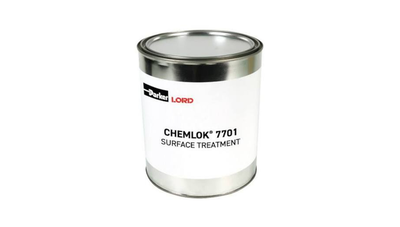
  • CHEMLOK 7701

    CHEMLOK 7701

    • Under Five-Minute Solvent Flash-Off
    • No-Mix Surface Conditioning
    • Wipe, Brush, Dip or Flood
  • CONAP AD-1146-C

    CONAP AD-1146-C

    • Lower-Viscosity Amber Adhesive-Primer Variant
    • Liquid-Polyurethane Bonding on Supported Substrates
    • Two-Coat Drying and Activation Process
  • CONAP AD-1147-C

    CONAP AD-1147-C

    • Lower-Viscosity Adhesive Primer for Bonding Liquid Polyurethanes
    • 160 cP Application Viscosity
    • Required for Optimum Strength Before Heat Activation
  • CONAPOXY AD-1146

    CONAPOXY AD-1146

    • Heat-Cured Polyurethane Adhesive Primer
    • 1,500 to 2,750 cP Viscosity Range
    • 0.5 to 1.5 MIL Dry-Film Target
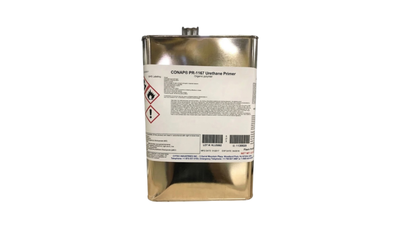
  • CONATHANE PR-1167

    CONATHANE PR-1167

    • Single-Component Polyurethane Primer for Cured Polyurethane
    • May Be Applied by Spray
    • 75 cP Application Viscosity
  • COOLTHERM 6756

    COOLTHERM 6756

    • Adhesion-Promoting Surface Treatment
    • 1 cP Application Viscosity
    • Recommended 3 to 10 um Film Thickness
  • DEVCON FL-20

    DEVCON FL-20

    • 30 to 120-Minute Moisture Cure
    • Multi-Substrate Flexane Adhesion Promotion
    • One-Part No-Mix Primer
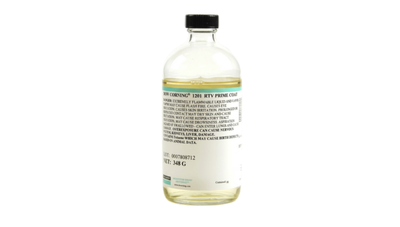
  • DOWSIL 1200

    DOWSIL 1200

    • No-Mix Primer Application
    • RTV and Heat-Cure Silicone Adhesion
    • Glass, Ceramic, FR-4, and Metal Adhesion
  • DOWSIL 1201

    DOWSIL 1201

    • Adhesion-Promoting Surface Treatment
    • Low-Viscosity Adhesive Application
    • 1 to 2-Hour Cure Window
  • DOWSIL 3-6060

    DOWSIL 3-6060

    • Improved Inhibition Resistance
    • Promotes Bonding to Most Plastics
    • Wipe, Dip, or Spray Application
  • DOWSIL 92-023

    DOWSIL 92-023

    • Adhesion-Promoting Surface Treatment
    • Improved Inhibition Resistance in Addition-Cure Silicone Systems
    • 1 to 2-Hour Cure Window
  • DOWSIL DS-1000

    DOWSIL DS-1000

    • Silicone Oil/Grease/Elastomer Emulsification
    • Immersion, Recirculation, or Spray Cleaning
    • Above 100 deg C Flash Point
  • DOWSIL OS2
  • DOWSIL OS-30

    DOWSIL OS-30

    • Complete Low-Residue Room-Temperature Evaporation
    • Low-Surface-Tension Precision Cleaning
    • Most-Plastic and Coating Compatibility
  • DOWSIL P5200

    DOWSIL P5200

    • RTV and Heat-Cure Adhesion Promotion
    • Wipe, Dip, or Spray Application
    • 18-Month Shelf-Life Indicator
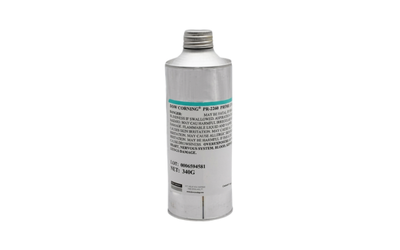
  • DOWSIL PR-2260 PRIME COAT CLEAR RTV SILICONE

    DOWSIL PR-2260 PRIME COAT CLEAR RTV SILICONE

    • Adhesion-Promoting Surface Treatment
    • Thin-Film Silane Primer
    • Electronics and Industrial Assembly Applications
  • DOWSIL PR1200

    DOWSIL PR1200

    • Adhesion-Promoting Surface Treatment
    • Wipe, Spray, or Dip Application
    • 1 to 2-Hour Cure Window
  • DOWSIL PR1204

    DOWSIL PR1204

    • Adhesion-Promoting Surface Treatment
    • Light, Even Application by Wiping, Dipping
    • Room-Temperature Adhesive Cure
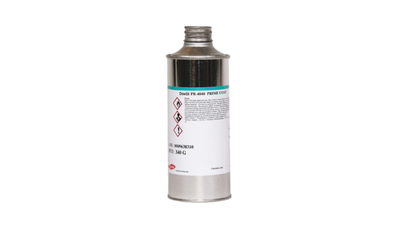
  • DOWSIL PR4040

    DOWSIL PR4040

    • Adhesion-Promoting Surface Treatment
    • One-Part Surface Preparation System
    • Clear Primer Dispersed in Heptane
  • ELANTAS AD-1147

    ELANTAS AD-1147

    • Heat-Activated Surface Preparation Cure
    • Metals, Glass, Glass-Fiber Laminates, Wood, and Leather
    • 2,000 cP Application Viscosity
  • Hydroxyl Functional Adhesion Promoter

    Hydroxyl Functional Adhesion Promoter

    • Enhances the adhesive capabilities of a metal surface
    • 2-4 nm thickness
    • Can be used as an additive
  • LOCTITE 7113

    LOCTITE 7113

    • Post-Applied Cyanoacrylate Activation
    • Rapid Solvent Flash-Off
    • 24-Hour On-Part Activity
  • LOCTITE 736

    LOCTITE 736

    • Passive-Surface Cure Acceleration
    • Very-Low-Viscosity Surface Wetting
    • 30-Minute On-Part Activity
  • LOCTITE EA 2000

    LOCTITE EA 2000

    • Low-VOC Water-Based Nitrile-Phenolic Primer
    • Blue-to-Blue-Green Color Change
    • BMS 5-42 Type 3 Qualification
  • LOCTITE SF770

    LOCTITE SF770

    • Cyanoacrylate Adhesion Primer
    • Low-Surface-Energy Plastic Bonding
    • 8 to 9-Second Dry Time
  • LOCTITE SF7701

    LOCTITE SF7701

    • Low-Energy Plastic Priming
    • Fast 30-Second Drying
    • UV-Visible Primer Inspection
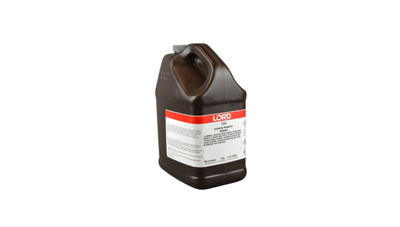
  • LORD 459X

    LORD 459X

    • Adhesion-Promoting Surface Treatment
    • Low-Viscosity Adhesive Application
    • Brush, Dip or Spray Application
  • LORD 7701

    LORD 7701

    • Cured-Rubber/Urethane/Elastomer Adhesion Treatment
    • No-Mix Wipe/Brush/Dip/Flood Application
    • Compatible LORD Epoxy/Urethane Adhesives
  • LORD AP-134

    LORD AP-134

    • One-Coat Moisture-Cure Multi-Substrate Primer
    • No-Mix Spray/Dip/Felt Application
    • 1 to 2-Hour Ambient Hydrolysis
  • LORD P-1291

    LORD P-1291

    • RTV Silicone Adhesion Promotion
    • Condensation- and Addition-Cure Compatibility
    • 30 to 60-Minute Air-Dry
  • LORD P-1292

    LORD P-1292

    • Platinum-Cure RTV Adhesion Promotion
    • Broad-Substrate Addition-Cure Silicone Adhesion
    • Hydrolytically Stable Silicone Bonding
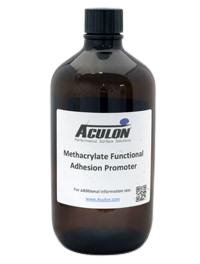
  • Methacrylate Functional Adhesion Promoter

    Methacrylate Functional Adhesion Promoter

    • Enhances the adhesive capabilities of a surface
    • 2-4 nm thickness
    • Can be used as an additive
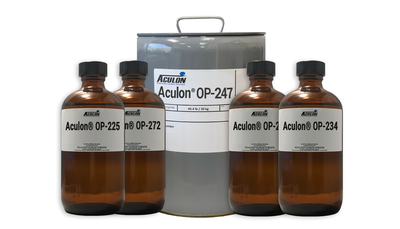
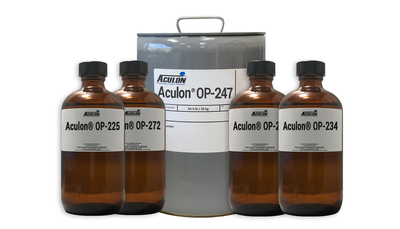
  • OP-216 | Nano-Scale Adhesion-Promoting Surface Treatment

    OP-216 | Nano-Scale Adhesion-Promoting Surface Treatment

    • Improved adhesion strength of paints/coatings on metal surfaces
    • No outgassing
    • No stress build-up on the substrates
  • OP-225 | Nano-Scale Adhesion-Promoting Surface Treatment

    OP-225 | Nano-Scale Adhesion-Promoting Surface Treatment

    • Improved adhesion strength of paints/coatings on metal surfaces
    • No outgassing
    • No stress build-up on the substrates
  • OP-234 | Nano-Scale Adhesion-Promoting Surface Treatment

    OP-234 | Nano-Scale Adhesion-Promoting Surface Treatment

    • Improved adhesion strength of paints/coatings on metal surfaces
    • No outgassing
    • No stress build-up on the substrates
  • OP-247 | Nano-Scale Adhesion-Promoting Surface Treatment

    OP-247 | Nano-Scale Adhesion-Promoting Surface Treatment

    • Improved adhesion strength of paints/coatings on metal surfaces
    • No outgassing
    • No stress build-up on the substrates
  • OP-272 | Nano-Scale Adhesion-Promoting Surface Treatment

    OP-272 | Nano-Scale Adhesion-Promoting Surface Treatment

    • Improved adhesion strength of paints/coatings on metal surfaces
    • No outgassing
    • No stress build-up on the substrates
  • ROYAL AP-1

    ROYAL AP-1

    • Controlled 1-to-8-Mil Laydown
    • Mix-Free Liquid Application
    • Targeted Acrylic Tape Priming
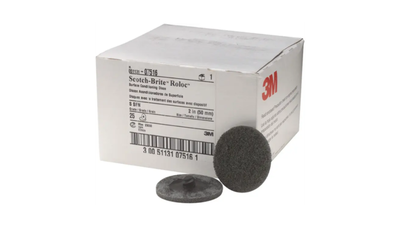
  • Scotch-Brite™ Roloc™ SC Surface Conditioning Disc

    Scotch-Brite™ Roloc™ SC Surface Conditioning Disc

    • Conformable Nonwoven Construction
    • Loading Resistance Material
    • Quick-Change Attachment System
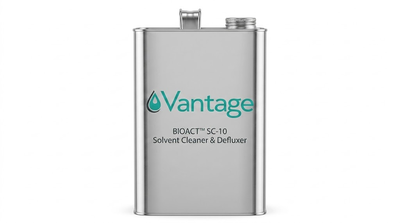
  • VANTAGE BIOACT SC-10 ELECTRONICS CLEANER

    VANTAGE BIOACT SC-10 ELECTRONICS CLEANER

    • Fast-Drying Electronics Cleaner
    • Multi-Soil Electronics Residue Removal
    • Manual-Wipe or Immersion Cleaning

Product selector guide

Aculon Adhesion Primers and Promoters Comparison Table
Product Name Primer/Promoter Base Application Examples Application Method Visible to Naked Eye Thickness Dry Time Cure required
Hydroxyl Functional Adhesion Promoter Hydroxyl Polyurethanes and iso-cyanates, melamine formaldehydes, phenolic epoxy based coatings Spray/Dip/Wipe No 2+ nm 30 sec For less than 5 minute cure, only Ti, Al and epoxy need a cure
Methacrylate Functional Adhesion Promoter Acrylate (Meth)acrylates, amines, thiol based coatings Spray/Dip/Wipe No 2+ nm 30 sec For less than 5 minute cure, only Ti, Al and epoxy need a cure
OP-216 Isopropanol Carboxylic acid functional groups such as epoxies and melamine-formaldehyde Spray/Dip No 2-4 nm 30 sec Short dip times or spray-application treated substrates are best cured at 120℃ peak metal temperature for approximately 30 seconds. Only Si, TiO2 need cure for up to 5 minutes. 
OP-225 Methanol Olefinic (vinyl) functional groups such as silanes and radiation-cured coatings Spray/Dip No 2-4 nm 30 sec Short dip times or spray-application treated substrates are best cured at 120℃ peak metal temperature for approximately 30 seconds. Only Si, TiO2 need cure for up to 5 minutes.
OP-234 Isopropanol  Thiol functional groups such as epoxies and (meth)acrylics Spray/Dip/Wipe No - 30 sec Short dip times or spray-application treated substrates are best cured at 120℃ peak metal temperature for approximately 30 seconds. Only Si, TiO2 need cure for up to 5 minutes.
OP-247 Isopropanol Acrylic functional groups such as (meth)acrylate, amine, and thiol-based coatings Spray/Dip No 2-4 nm 30 sec Short dip times or spray-application treated substrates are best cured at 120℃ peak metal temperature for approximately 30 seconds. Only Si, TiO2 need cure for up to 5 minutes.
OP-272 Isopropanol Hydroxyl functional groups such as urethane, melamine-formaldehyde, and phenolic-epoxy based coatings Spray/Dip No 2-4 30 sec Short dip times or spray-application treated substrates are best cured at 120℃ peak metal temperature for approximately 30 seconds. Only Si, TiO2 need cure for up to 5 minutes.

Learn more

Adhesion Promoters and Primers help adhesives and coatings stick to substrates
surface adhesion promoter
What are Adhesion Promoters and Adhesion Primers?

Adhesion Promoters and Adhesion Primers improve adhesion between substrates and coatings or adhesives by creating an interface for additional covalent bonds. This increases adhesion and the bond between the substrate and the coating or adhesive: improving the performance of the coating or adhesive.

One of the most common applications for adhesion promoters is to enhance the adhesion strength and performance of die attach between the die, the die attach, and the substate or copper lead-frame.

There are many potential tests which can be performed to define the adhesive strength of a coating or adhesive. For example in the shear test force is applied at a 90 degree angle to the substrate or die until failure occurs.

There are three main types of result. Cohesion failure is where the die attach or adhesive being used fails: depending on requirements a stronger die attach or adhesive may need to be found. Substrate or Die failure is where the substrate or die breaks: this can be considered a success on the part of the adhesive. Adhesion failure is where the bond between the die attach or adhesive and the substrate or die fails: this indicates that an adhesion promoter or primer should be used.

adhesion shear test
Adhesion Promoters and Primers help die attach form bonds with the die and the substrate or copper lead-frame


Adhesion Promoter Chemistries

Essentially adhesion promoters are a kind of primer: a surface treatment that primes surfaces of metals and other oxo or hydroxyl functional substrates before an adhesive is place on them.

Different adhesion promoters have different base chemistries but all of them work on a molecular level. For example Aculons Primers contain self- assembled monolayers of phosphonates (SAMPs) which improve the adhesion of metals to polymeric coatings. They do this by using reactive groups to create strong bonds with coatings that contain functional groups such as epoxies, polyurethanes, acrylates, and oxide particles.

Examples of the Adhesion Promoters with different base chemistries can be seen in Aculon’s range of adhesion promoters and primers. Thiol based primers promote adhesion between substrates and epoxy (meth)acyrlics. Acrylate primers promote adhesion between substrates and (meth)acrylates, amines, and thiol based coatings. Hydroxyls primers promote adhesion between substrates and polyurethanes, iso-cyanates, melamine formaldehydes, phenolic epoxy based coatings.


Thiols, Acrylates, Hydroxyls adhesion promoters work best with different types of adhesives.
  Thiols Acrylates Hydroxyls
Adhesion Examples Epoxy (Meth)acrylics (Meth)acrylates, amines, thiol based Polyurethanes and iso-cyanates, melamine formaldehydes, phenolic epoxy based
Application Spray / Dip / Wipe Spray / Dip / Wipe Spray / Dip / Wipe
Visible to Naked Eye No No No
Thickness (nm) 2+ 2+ 2+
Dry Time (sec) < 20 < 30 < 30
Cure Required For <5 min cure, only Ti, Al and epoxy need a cure For <5 min cure, only Ti, Al and epoxy need a cure For <5 min cure, only Ti, Al and epoxy need a cure
 

Adhesive Promoter Applications:

Adhesion Promoters can be used for copper foil applications for the adhesion of low dielectric resins to copper for printed circuit boards and chip scale packaging. By pretreating the intended copper surface with an adhesion promoter significantly higher peel strengths can be obtained.  Aculon has demonstrated superior performance to silane adhesion promoters in terms of peel strength on smooth copper (600 hours in autoclave).
Adhesion promoters are most commonly used to pre-treat metal lead-frames. Aculon’s adhesion promoters have shown superior bonding of die attach adhesives, and epoxy molding compounds to numerous types of lead frame materials (Au, Pd, Cu, Ag, Ni).


 

Pre-Cleaning Surfaces prior to Application

As adhesion promoters work on a molecular level the substrate that they are applied to need to be perfectly clean. Otherwise adhesion strength is only as strong as the adhesion strength of the layer of contamination to the surface it is contaminating. Not only do the surfaces of the part being treated need to be degreased and cleaned of visually perceivable contaminants, but a further step must be taken so that the surfaces can pass a “Water-Break-Free” Test.

If any contamination in the form of oils, oxidation, etc. is present water will separate around those particles: the surface of the water will break. So passing the “Water-Break-Free” test means that a thin film of water can be supported on the surface to be primed without having any breaks in the water’s surface.

Passing the “Water-Break-Free” test is a sign that the molecular structure of the surface of the substrate has now been directly exposed. Now the surface of the substrate can be directly bonded to without contamination or oxides forming obstacles to covalent bonds.

However, cleaning the substrate to be perfectly clean and “Water-Break-Free” can require some very caustic and dangerous chemicals or processes. These include: Aculon® 907 (Heated Caustic cleaning dip), Argon Plasma, Corona Discharge, and a Piranha bath (H2SO4/H2O2)

Sometimes your production process needs to be simpler and not all surfaces are critical and need to be perfectly clean. In these cases you can use less aggressive chemicals and processes, including: Aculon® 905 (Room Temp Caustic cleaner), Ceria polish (abrasive scrub), Comet abrasive (or other polishing compound).


water break free surface
Passing the “Water-Break-Free” test is a sign that the molecular structure of the surface of the substrate has now been directly exposed


Applying adhesion promoter and primers

Once the intended part or surface is sufficiently clean, adhesion promoters or primers can be applied by dip bath: this method ensures a uniform coverage of the entire part. They can also be applied by wipe: simply using a clean cloth to wipe the treatment across the intended surface. Finally, they can be applied by spray using double passes. For each application method, post-application curing is recommended to achieve the best performance.

Presentations

Adhesion Promoters

This presentation introduces Aculon Performance Surface Treatments and their role as adhesion promoters for demanding manufacturing applications. It explains how surface modification technologies improve bond strength, surface energy, and coating performance on metals, plastics, glass, and other difficult-to-bond substrates, enabling more reliable adhesive bonding, coating adhesion, and long-term product durability.

Leading Brands Trust in Our Products and Services

  • Jabil
  • Linxens
  • Magna
  • Medtronic
  • NXP
  • Philips
  • Semikron
  • Teledyne
  • Thales
  • Vishay
  • ZF
  • AMS
  • Apple
  • Audi
  • Broadcom
  • Borgwarner
  • Bosch
  • Eaton
  • Henkel
  • Honeywell
  • Hysol
  • Intel
Products that Perform|Knowledge that Serves|Service that Delivers