Polyurethane Sealants

Gap filling and leveling

Polyurethane Sealants

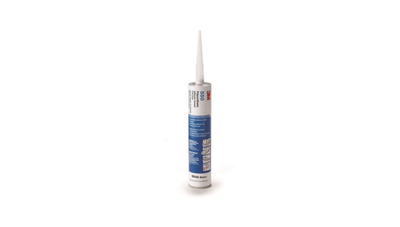
Polyurethane (PU) sealants are versatile elastomeric materials designed to provide durable sealing, bonding, and environmental protection in demanding industrial and electronic applications. Known for their excellent adhesion to a wide range of substrates—including metals, plastics, composites, glass, and painted surfaces—polyurethane sealants offer a combination of flexibility, mechanical strength, and long-term durability.

Available in both moisture-cure and chemical-cure systems, polyurethane sealants accommodate different manufacturing requirements and application environments. They form resilient seals that absorb vibration, accommodate thermal expansion and contraction, and resist exposure to weather, moisture, and many industrial chemicals.

These characteristics make polyurethane sealants a preferred choice for applications such as electronic enclosures, battery systems, transportation equipment, industrial assemblies, construction joints, and outdoor equipment where reliable sealing and protection are essential.

11 products

  • 3M 550FC

    3M 550FC

    • One-Component Fast Moisture Cure
    • High Tensile Strength and Modulus
    • Water and Salt-Spray Resistance
  • BOSTIK 1100 FS

    BOSTIK 1100 FS

    • 90-Minute Tack-Free Time
    • Plastic-to-Wood Urethane Bonding
    • +/-25% Joint Movement Capability and Temperature Resistance
  • BOSTIK 920

    BOSTIK 920

    • Flexible Cured Adhesive
    • Above- and Below-the-Waterline Sealing and Bonding
    • Plastic, Wood, and FRP Bonding
  • 3M 08463

    3M 08463

    • One-Hour Full Cure
    • Closed-Cell Cavity Filling
    • Direct Static-Mix Application
  • 3M 540

    3M 540

    • One-Part Moisture-Cure Joint Sealing
    • Elastic >600% Elongation Profile
    • 60 to 90 Minute Tack-Free Window
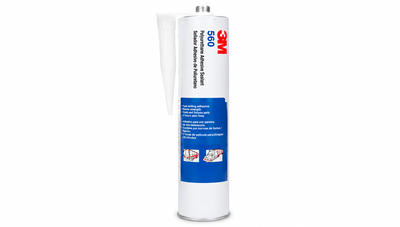
  • 3M 560

    3M 560

    • Single-Component Bond-and-Seal Application
    • Elastic Moisture-Cured Assembly Bonding
    • Panel and Body Bonding Fit
  • 3M TE031

    3M TE031

    • 30-Second Handling Strength
    • Two-Minute Assembly Window
    • Flexible Plastic Bonding
  • CONATHANE AD-6415

    CONATHANE AD-6415

    • Two-Part Polyurethane Adhesive
    • 1:2 Cartridge or Bulk
    • Filtration Membrane Bonding
  • LOCTITE PC6231

    LOCTITE PC6231

    • Rapid 90-Minute Full Cure
    • Self-Leveling Low-Viscosity Fill
    • 10-15% Joint Movement Capability
  • LOCTITE UK2073

    LOCTITE UK2073

    • Low-Energy Plastic Bonding
    • Nominal 2:1 Meter-Mix Processing
    • Elastic 300% Elongation
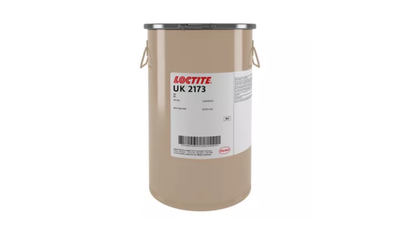
  • LOCTITE UK2173

    LOCTITE UK2173

    • Low-Energy Plastic Bonding
    • Nominal 2:1 Meter-Mix Processing
    • Elastic 300% Elongation

Frequently asked questions

Polyurethane Sealants for Electronic Protection

What are polyurethane sealants used for in electronics?

Polyurethane sealants are used to seal and protect electronic assemblies from moisture, dust, vibration, and environmental contaminants. Their flexibility and strong adhesion make them well suited to sealing electronic enclosures, connectors, sensors, battery systems, and industrial equipment.

What is the difference between polyurethane and silicone sealants?

Polyurethane sealants generally provide stronger adhesion, higher mechanical strength, and better abrasion resistance than silicone sealants. Silicone sealants offer superior UV stability and higher temperature resistance, and remain more flexible over a wider temperature range. Polyurethane is often selected when durable, abrasion-resistant sealing is needed on a joint with moderate rather than extreme movement.

Is polyurethane sealant waterproof?

Yes, polyurethane sealants provide excellent resistance to water and moisture ingress. Once cured, they form a durable seal that helps protect electronic and industrial assemblies from humidity, rain, and environmental exposure.

How long does polyurethane sealant take to cure?

Cure time depends on the formulation, sealant thickness, temperature, and humidity. Moisture-cure, one-part polyurethane sealants typically cure over several hours to days depending on bead thickness, while two-part systems cure through a chemical reaction rather than ambient moisture, which can offer faster and more predictable curing.

Can polyurethane sealants be used outdoors?

Yes, polyurethane sealants are widely used in outdoor applications due to their weather resistance, flexibility, and ability to withstand moisture and temperature fluctuations. They are commonly used in transportation, renewable energy, and outdoor electronic equipment.

Do polyurethane sealants remain flexible after curing?

Yes, polyurethane sealants cure into a durable elastomer that remains flexible over time, helping absorb vibration and accommodate thermal expansion and contraction. That said, polyurethane is less flexible than silicone, so joints expected to undergo significant or repeated movement may be better served by a more elastic chemistry.

Where are polyurethane sealants commonly used?

Polyurethane sealants are commonly used in electronic enclosures, battery packs, sensors, industrial control systems, automotive electronics, transportation equipment, and outdoor electrical assemblies. They are well suited to applications requiring both environmental protection and mechanical durability.

Why choose polyurethane sealants for industrial and electronic applications?

Polyurethane sealants combine strong adhesion, flexibility, vibration resistance, and moisture protection in a single chemistry. These properties help improve reliability, extend service life, and protect assemblies operating in demanding environments.


Learn more

Why Choose Polyurethane Sealants?

Polyurethane sealants offer a balance of adhesion, flexibility, and durability that sits between silicone and epoxy, delivering more mechanical strength and abrasion resistance than silicone while retaining significantly more flexibility than epoxy. This makes them a common choice for joints that need to move somewhat but still carry real mechanical and environmental stress.

Strong Adhesion

Bonds well to a wide range of substrates, including materials containing hydroxyl groups like wood, concrete, and brickwork, without always requiring a primer.

Flexible Yet Tough

Cures into a durable elastomeric seal that can accommodate moderate joint movement without the brittleness of a rigid chemistry.

Vibration Protection

Absorbs shock and mechanical stress, helping protect joints and adjacent components from vibration-related fatigue over time.

Outdoor Durability

Resists moisture and weathering, supporting long-term performance in exterior and outdoor-exposed joints.

Abrasion Resistance

Cured polyurethane holds up well to surface wear, a common advantage over silicone in traffic and high-contact areas.

Paintable Finish

Unlike most silicone sealants, cured polyurethane generally accepts paint, useful where the sealed joint needs to match a painted surface.


How Polyurethane Sealants Cure

Most polyurethane sealants are one-part, moisture-cure systems: isocyanate-terminated prepolymers react with ambient humidity to form urethane linkages, building a crosslinked elastomer from the outside surface inward. Because cure depends on moisture reaching the material, thicker beads and deeper joints take longer to cure fully than the surface skin suggests. Two-part polyurethane systems are also available; these cure through a stoichiometric reaction between resin and hardener rather than ambient moisture, which allows for more uniform cure through thick sections but requires accurate mixing.


Silicone vs Polyurethane vs Epoxy Sealants

General positioning across three common sealant chemistries. Actual performance varies by specific formulation, joint design, and test conditions, so product-specific data should always be checked before final selection.

Property Silicone Polyurethane Epoxy
Flexibility ★★★★★ ★★★★☆ ★☆☆☆☆
Adhesion Strength ★★★☆☆ ★★★★★ ★★★★★
Vibration Resistance ★★★★★ ★★★★☆ ★★☆☆☆
Structural Strength ★★☆☆☆ ★★★★☆ ★★★★★
Abrasion Resistance ★★☆☆☆ ★★★★★ ★★★☆☆
Stress Relief ★★★★★ ★★★★☆ ★☆☆☆☆
Outdoor Weathering ★★★★★ ★★★★☆ ★★★☆☆
Best Fit Flexible sealing Balanced performance Structural bonding

Substrate Compatibility & Priming

Polyurethane sealants offer exceptional adhesion to substrates containing hydroxyl groups, such as wood, wood-derived materials, brickwork, concrete, and certain plastics and paints, often without needing a primer. Substrates like glass, aluminum, and alkaline surfaces may require a primer for optimal bonding, since the primer promotes adhesion while shielding the sealant from adverse substrate interactions.


Core Applications

Expansion Joints

Sealing construction and pavement joints that need to accommodate moderate movement while resisting foot and vehicle traffic.

Automotive Assembly

Sealing body seams and panel joints exposed to vibration, weathering, and thermal cycling in service.

Industrial Equipment

Sealing joints and seams on equipment where abrasion resistance and mechanical durability matter more than maximum flexibility.

Exterior Building Envelope

Weatherproofing seams and joints on exterior surfaces where the sealed joint also needs to accept paint.


Need Help Selecting the Right Polyurethane Sealant?

Sealant selection depends on your joint's movement requirements, substrate, and service environment. Our technical team provides product selection support, trial quantity sourcing, and application guidance across one-part and two-part polyurethane sealant systems.

Polyurethane Sealant – Quick Reference

One-PartMoisture-cure, no mixing, cures from the surface inward
Two-PartStoichiometric cure, uniform through thick sections

Leading Brands Trust in Our Products and Services

  • Jabil
  • Linxens

  • Magna
  • Medtronic
  • NXP
  • Philips
  • Semikron
  • Teledyne
  • Thales
  • Vishay
  • ZF
  • AMS
  • Apple
  • Audi
  • Broadcom
  • Borgwarner
  • Bosch
  • Eaton
  • Henkel
  • Honeywell
  • Hysol
  • Intel
Products that Perform|Knowledge that Serves|Service that Delivers